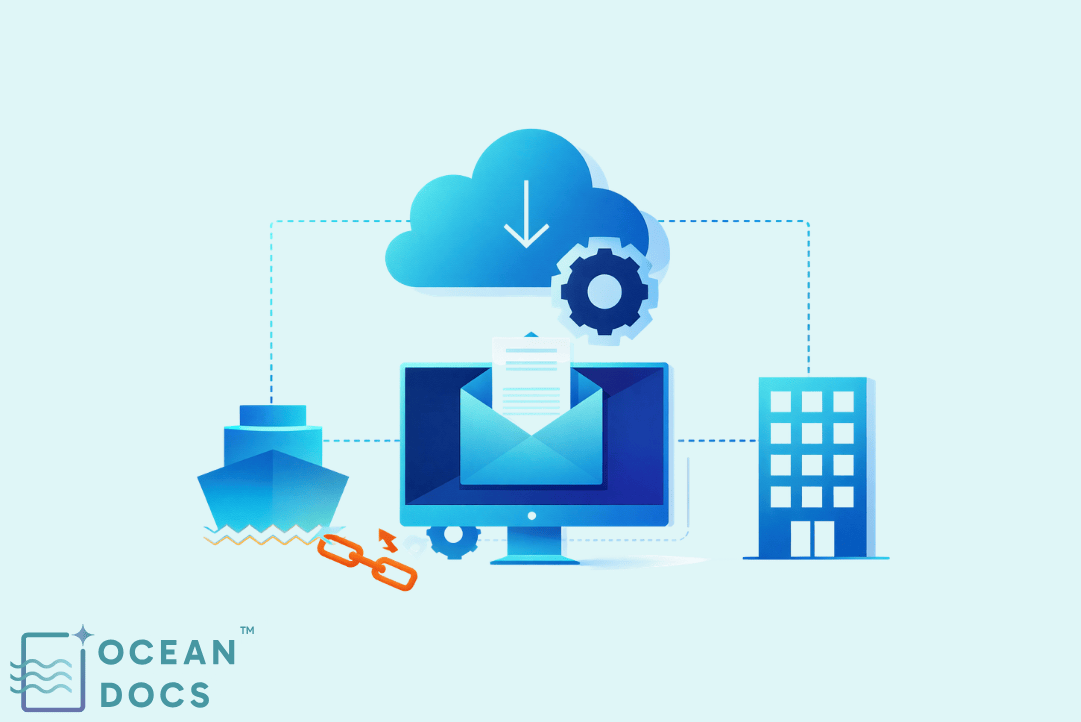
The Communication Gaps Between Fleet Offices and Vessels
March 10, 2026 By OceanDocs AI
Why do communication problems still occur between fleet offices and vessels, even with modern technology?
Shipping companies manage large volumes of shipping documents, operational instructions, and regulatory updates every day. These instructions must move quickly between shore teams and ship crews. However, in many cases the information does not reach the right person at the right time. This creates confusion in marine operations, delays in decision making, and risks to vessel safety.
Ships operate in a strict regulatory environment. Crews must follow maritime regulations such as SOLAS, MARPOL, IMO regulations, and the ISM Code. At the same time, shore teams must ensure proper shipping compliance, maintain accurate maritime documentation, and prepare for inspections like Port State Control or SIRE inspection.
When communication breaks down between shore and vessel, even small misunderstandings can affect maritime compliance, operational safety, and inspection readiness.
Why Communication Gaps Exist in Fleet Operations
Fleet offices and vessels operate in very different environments.
Shore teams work in offices with access to systems, reports, and centralized ship management software. Ship crews work in a dynamic environment where connectivity may be limited and operational priorities change quickly.
Because of this difference, communication gaps often appear in fleet management and technical ship management operations.
Several common issues cause these gaps:
Information overload
Ships receive a large number of ship documents, circulars, and updates from fleet offices. These may include safety procedures, HSEQ policies, operational instructions, and updates to shipping documentation.
When crews must search through many files to find the right instruction, mistakes can happen.
Complex regulatory requirements
Ships must comply with international frameworks such as SOLAS, MARPOL, STCW, and the ISM Code. Each regulation requires specific procedures and documentation.
If shore teams send unclear instructions about compliance procedures, crews may struggle to interpret them correctly during daily marine operations.
Delayed information flow
Ships operate across multiple time zones and communication channels. Messages related to Ballast Water Management, Pollution Prevention, or emergency procedures may not reach crews quickly.
This delay can affect maritime environmental compliance and operational decision making.
The Role of Documentation in Ship–Shore Communication
Most communication between shore offices and vessels happens through documentation.
Operational instructions, safety manuals, inspection checklists, and compliance reports all fall under maritime documentation.
Examples include:
-
Safety procedures related to Fire Control Plan
-
Cargo handling instructions aligned with ISGOTT
-
Dangerous cargo procedures under the IMDG Code
-
Life saving equipment guidance under the LSA Code
These shipping documents guide daily operations and emergency responses. However, many ships still rely on static document systems that make it difficult to find information quickly.
This challenge becomes more serious during inspections like Port State Control, SIRE inspection, or internal ship surveys. Crews must locate specific ship documents quickly to demonstrate audit readiness.
If the required information is difficult to find, it can create compliance risks for the vessel and the company.
How Communication Gaps Affect Safety and Compliance
Communication failures between shore teams and vessels can affect several critical areas of shipping operations.
Operational confusion
Crews may receive multiple instructions related to navigation safety, cargo procedures, or environmental requirements. When these instructions conflict, the crew must interpret the correct procedure.
Compliance risks
Regulatory frameworks such as SOLAS, MARPOL, and ISM compliance require accurate documentation and clear procedures. Poor communication may lead to incorrect reporting or incomplete documentation.
Inspection challenges
Ships regularly undergo inspections including Port State Control, marine surveying, and SIRE inspection. During these checks, inspectors often request specific maritime documentation.
If crews cannot locate the correct document quickly, it can raise concerns about shipping compliance.
Crew workload
Searching through hundreds of files for operational instructions increases the workload of crew members. This affects ship crew management and reduces the time available for critical operational tasks.
How AI Is Improving Ship–Shore Communication
Recent developments in AI in shipping and AI in maritime are helping companies reduce these communication gaps.
Modern document intelligence systems use AI document intelligence to organize and analyze maritime documents automatically.
Instead of searching through folders, crews can access information through intelligent search systems that understand context.
These systems support:
Smart document access
AI systems analyze shipping documentation, manuals, and procedures. Crews can search questions related to maritime regulations, navigation safety, or cargo handling and quickly find the relevant instructions.
Faster compliance support
AI platforms help crews identify procedures required under SOLAS, MARPOL, and ISM maritime guidelines. This improves maritime compliance and helps ships prepare for Port State Control inspections.
Operational coordination
Modern fleet management solutions use AI-powered maritime operations solutions to coordinate information between vessels and shore teams. This ensures that updates related to Pollution Prevention, cargo operations, or safety procedures reach ships quickly.
Improved inspection readiness
With intelligent systems, crews can locate required ship documents instantly during ship surveys or SIRE inspection checks. This improves audit readiness and reduces operational stress.
The Future of Fleet Communication
Shipping companies are gradually moving toward digital ship management software platforms that combine fleet ship management, compliance monitoring, and document intelligence.
These platforms integrate AI in maritime, advanced search capabilities, and structured maritime compliance software.
The goal is to create smarter communication systems that connect fleet offices and vessels in real time.
When information flows clearly between shore and ship, companies can improve vessel safety, strengthen shipping compliance, and support more efficient marine operations.
Conclusion
Communication gaps between fleet offices and vessels often arise from information overload, complex regulations, and traditional document systems. These challenges affect fleet management, operational coordination, and regulatory compliance.
As the shipping industry adopts AI in shipping, technologies such as AI document intelligence and maritime AI are transforming how crews access and interpret critical information. These tools improve visibility across ship management, strengthen maritime compliance, and support safer vessel operations.
Solutions like OceanDocs AI help shipping companies manage shipping documents, improve document intelligence, and support AI-powered maritime operations solutions that bridge the communication gap between fleet offices and vessels.
FAQs
Why do communication gaps occur between fleet offices and vessels?
Communication gaps often happen due to large volumes of maritime documentation, delayed communication channels, and complex maritime regulations that crews must interpret during daily operations.
How do communication issues affect maritime compliance?
Poor communication can lead to incorrect procedures, missing shipping documentation, or difficulty locating required documents during Port State Control or SIRE inspection.
How does AI help improve ship–shore communication?
AI in maritime systems use AI document intelligence to organize and search maritime documents quickly. This helps crews access procedures, safety guidelines, and regulatory instructions efficiently.
What role does document intelligence play in shipping operations?
Document intelligence helps analyze large volumes of shipping documents and compliance manuals. It improves access to critical information related to SOLAS, MARPOL, and ISM compliance.