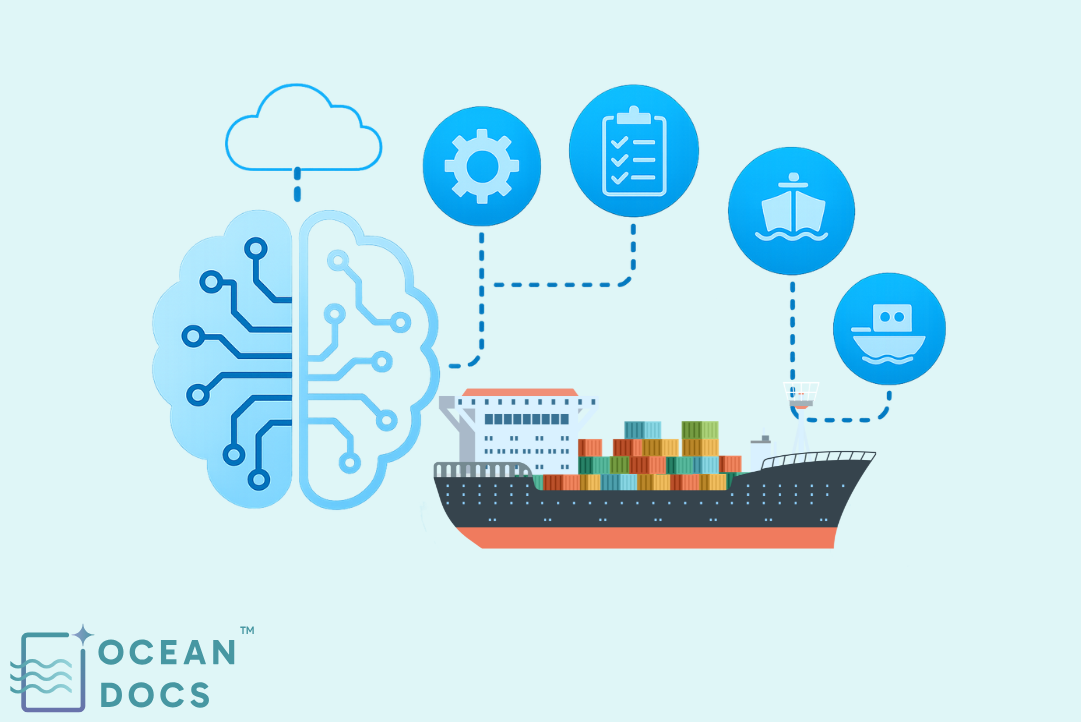
AI for Region-Specific COLREGs and Navigation Documents
December 11, 2025 By OceanDocs AI
Every region in the world has unique navigation risks, traffic patterns, local rules, and documentation expectations. Bridge teams often follow the same core COLREGs, but they must also adjust to local variations that affect real-world navigation. Missing a region-specific rule can lead to close calls, inspection findings, or even incidents. This is where AI for COLREGs and navigation documents makes a major difference. By turning manuals, circulars, port notices, and local procedures into simple, real-time guidance, AI helps crews understand what matters most for each area they sail through.
The challenge of region-specific navigation rules
While COLREGs set global navigation standards, ports and coastal states often add their own requirements. These may include traffic separation schemes, reporting zones, pilotage rules, restricted areas, speed limits, or radio procedures. The problem is not the rules themselves. The problem is the volume of documents crews must read and remember. Bridge teams deal with Notices to Mariners, Port Authority updates, company procedures, and internal voyage plans. When time is short and operations are busy, the risk of missing a detail is high. AI helps reduce this burden by turning complex rule sets into clear, timely guidance.
Turning navigation documents into usable data
Traditional navigation documents are static files. Officers must read them manually, highlight key parts, and then try to apply them during watchkeeping. AI changes this by converting documents into structured data. The system identifies important rules, restrictions, and location-based requirements. It also links related information across different documents. Once the data is structured, AI can deliver targeted messages at the moment they are needed. Instead of searching through pages, crews receive simple explanations tied to their planned route or current position.
How AI reads and understands COLREGs
AI for COLREGs uses natural language processing to read navigation rules and understand their meaning. It can break down COLREG rules into practical steps and highlight how these rules apply differently depending on region, visibility, or traffic density. For example, Rule 10 on Traffic Separation Schemes may have local variations in the Dover Strait, Singapore Strait, or approaches to Shanghai. AI can explain those differences clearly so officers understand what is unique before entering the area. This reduces confusion and supports safer decision making.
Real-time guidance during voyages
The real value of AI appears during actual marine operations. When the ship approaches a region with special navigation rules, the system can display a simple reminder: “Reduce speed between buoys X and Y” or “Report to VTS before entering this zone.” This guidance comes from local notices and port rules, not from memory alone. If the area has a history of collisions or grounding incidents, the AI can prompt the bridge team to perform additional checks. This adds a second layer of protection without increasing workload.
Helping crews manage frequent regulatory updates
Navigation rules change often. Port Authorities issue new circulars, areas adopt new traffic routing systems, and reporting procedures get updated. Crews cannot always keep up. AI solves this by scanning new documents as soon as they are published. It compares them with older versions, identifies what changed, and alerts teams about updates that affect upcoming voyages. This ensures that bridge teams follow the most current information, not outdated guidelines.
Supporting voyage planning with smarter insights
Voyage planning involves far more than plotting a course. Officers must check restricted areas, environmental guidelines, traffic schemes, and local COLREG interpretations. AI simplifies this step by gathering all region-specific rules and presenting them directly in the voyage plan. It can highlight zones where extra caution is needed, identify reporting requirements, and even suggest safe alternates for heavy-traffic areas. By combining documents with analytics, AI supports stronger route planning and safer navigation.
Reducing the paperwork burden for officers
One of the biggest advantages of AI is reducing paperwork. Instead of reading entire manuals, officers can search for simple answers such as “What rules apply in this channel?” or “Are there new updates for this port?” The system provides short explanations based on official documents. This helps crews spend more time on navigation and less time on administrative tasks. Inspectors and auditors also benefit because record-keeping becomes clearer and more consistent.
Improving audit readiness and compliance
Region-specific navigation findings are common during inspections. Missing a reporting step, failing to follow a mandatory route, or misunderstanding a local rule can lead to observations and delays. With AI for COLREGs, crews follow clearer guidance and maintain more accurate documentation. The system can show how rules were applied during the voyage and generate clean summaries for audits. This strengthens compliance without adding pressure on the crew.
Helping new officers learn faster
New officers often struggle with the amount of reading required for navigation rules. AI speeds up learning by providing simple explanations of regional requirements. Instead of memorizing dozens of documents, officers interact with a tool that gives direct answers. Over time, this builds confidence and reduces the chance of operational errors.
Making fleet operations safer and more consistent
For fleet managers, the value of AI goes beyond individual vessels. When the system identifies repeated navigation risks in specific regions, managers can adjust planning, training, or procedures. If several ships struggle with the same reporting requirement or routing pattern, the fleet can update its guidance. This creates a consistent approach across all vessels and reduces avoidable incidents.
Conclusion
AI for region-specific COLREGs and navigation documents helps bridge teams make safer decisions with less effort. By turning complex rules into simple, timely guidance, AI reduces confusion, improves compliance, and supports smoother marine operations. As fleets operate in increasingly busy waters with frequent regulatory changes, tools like OceanDocs AI make navigation safer and more predictable. When documents become smart, crews gain the clarity they need to avoid mistakes and protect their vessels.