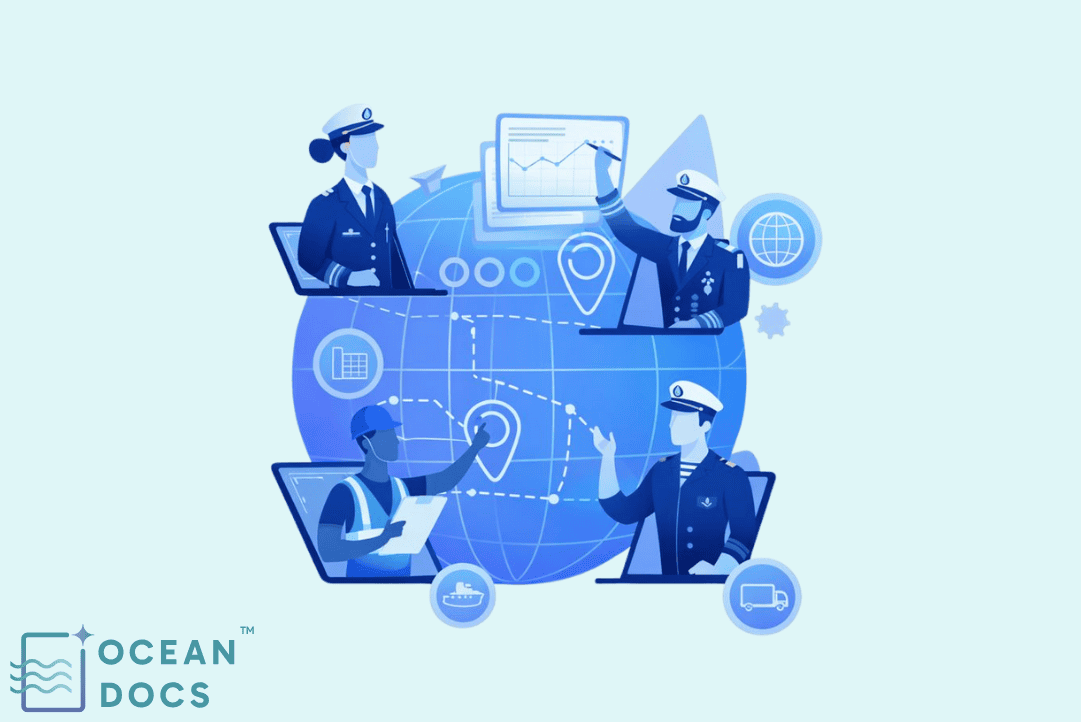
Fleet Managers’ Guide to Document-Driven Decisions
January 6, 2026 By OceanDocs AI
Fleet managers deal with hundreds of shipping documents every day. Reports, certificates, manuals, checklists, and inspection records keep operations moving. The real challenge is not storing these files. The challenge is using them to make fast and confident decisions.
This is where maritime AI changes the way fleets operate. By using document intelligence, fleet teams can turn documents into a reliable decision layer instead of a daily burden.
Why documents shape every fleet decision
Every operational choice depends on information hidden inside documents. Maintenance schedules, inspection findings, incident reports, and compliance records guide planning and risk control. When teams rely on manual review, decisions slow down and errors creep in.
AI in maritime operations focuses on understanding content, not just organizing files. Instead of searching folders, fleet managers can query documents and get direct answers. This shift helps teams act early rather than react late.
What document-driven decisions mean in practice
Document-driven decisions rely on facts extracted directly from operational records. Maritime AI systems read documents, identify key data points, and link related information across the fleet.
For example, a manager can check inspection trends across vessels in minutes. AI in shipping allows teams to see repeated issues, delayed actions, or missing approvals without opening dozens of files.
This approach reduces guesswork and supports consistent decisions across ships and offices.
How maritime AI reads and understands documents
Modern ai document intelligence does more than scan text. It understands context, structure, and intent. These systems recognize document types, extract critical fields, and track changes over time.
Maritime AI also connects related documents. A maintenance report links to equipment manuals. An inspection note links to corrective actions. This connection creates a full operational picture for fleet managers.
AI in maritime workflows improves clarity and reduces manual effort for both shore teams and ship crews.
Faster decisions during inspections and audits
Inspections demand speed and accuracy. Fleet managers must provide evidence quickly while maintaining confidence in data quality. AI-powered maritime operations solutions help teams retrieve relevant documents instantly.
Instead of searching across systems, managers can ask simple questions. The system returns precise records and highlights gaps. This approach supports faster responses and reduces stress during inspections.
AI in shipping also helps teams prepare before inspections. It flags missing documents and incomplete records early so managers can act in advance.
Improving safety and operational planning
Safety decisions rely on historical data and real-time insight. Maritime AI analyzes incident reports, safety logs, and corrective actions together. This analysis helps identify patterns that humans often miss.
For fleet managers, this means better planning and fewer surprises. AI in maritime operations supports proactive safety management rather than reactive fixes.
Document-driven insights also help improve crew coordination. When teams access the same verified information, decisions stay aligned across vessels.
Reducing operational risk with AI-driven insight
Operational risk grows when information stays fragmented. AI document intelligence reduces this risk by maintaining consistency across documents.
When a rule changes or a process updates, maritime AI helps track impacted documents. Managers can see where updates apply and which vessels need action. This visibility reduces compliance risk and improves accountability.
AI in shipping supports clear audit trails. Every document action stays traceable, which strengthens trust in decision making.
Supporting fleet-wide visibility and control
Large fleets struggle with scale. Documents grow faster than teams can manage. Maritime AI provides fleet-wide visibility without increasing manual work.
Fleet managers can monitor trends across ships and time periods. AI-powered maritime operations solutions highlight areas that need attention. This overview helps leaders prioritize actions based on real data.
Document-driven decisions help align daily operations with long-term strategy.
Preparing for future maritime operations
As fleets modernize, document intelligence becomes a foundation for smarter systems. AI in maritime workflows supports integration with maintenance planning, safety systems, and reporting tools.
This integration ensures decisions stay consistent across platforms. Fleet managers gain confidence that every action aligns with accurate and up-to-date information.
Maritime AI is not about replacing experience. It supports human judgment with reliable insight.
Conclusion
Document-driven decisions help fleet managers move faster, reduce risk, and improve operational control. AI document intelligence turns everyday files into a strategic asset. With tools like OceanDocs AI, fleets can apply maritime AI to daily operations and build a stronger foundation for future growth.
FAQs
How does maritime AI improve daily fleet decisions?
Maritime AI reads and connects documents to provide quick answers, trends, and insights that support faster decision making.
Is AI in shipping difficult to adopt?
Most AI-powered maritime operations solutions integrate with existing systems and require minimal training.
Can AI document intelligence help during inspections?
Yes. AI in maritime workflows retrieves evidence quickly and highlights gaps before inspections begin.