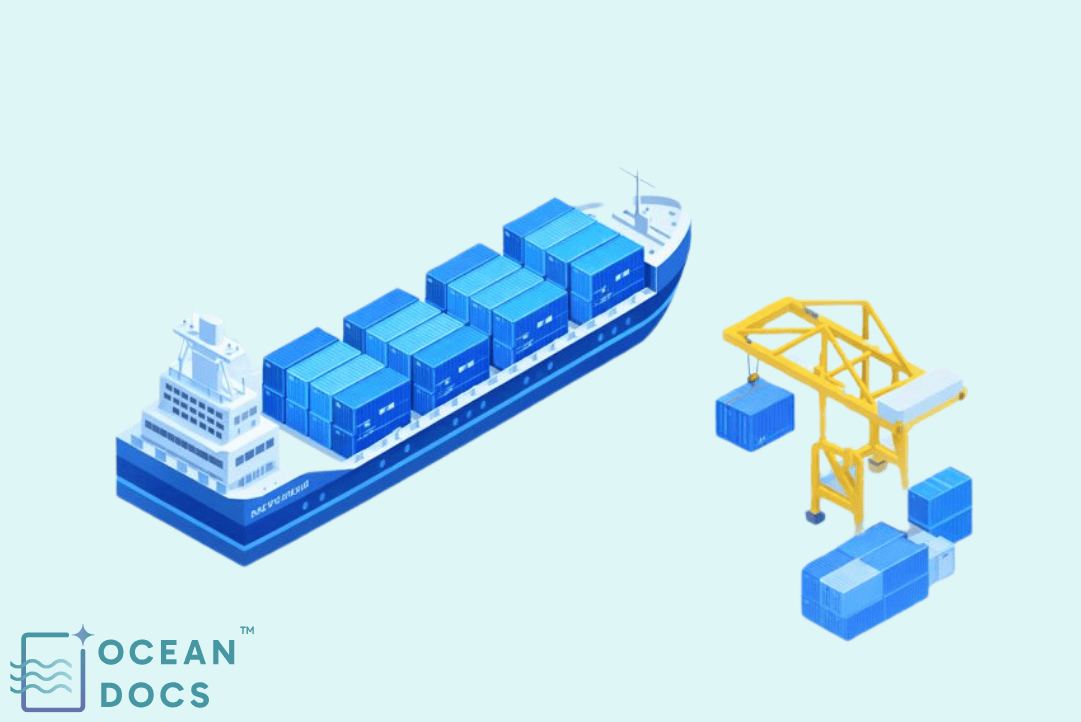
What will maritime operations look like when every document, decision, and alert is connected?
The future of maritime digitalization points toward smarter, safer, and more compliant shipping operations. As fleets grow and regulations tighten, the industry can no longer rely on manual processes and fragmented systems. Digital transformation in maritime now focuses on intelligence, not just digitization.
Why Maritime Digitalization Is Accelerating
Shipping companies face increasing pressure from maritime regulations, Port Authorities, and global trade demands. Compliance with IMO regulations, SOLAS, MARPOL, and the ISM Code requires constant updates and accurate maritime documentation. At the same time, vessels must operate efficiently and safely.
Traditional systems struggle to keep up. Paper-based shipping documents and disconnected digital folders slow down crews and shore teams. Maritime digitalization aims to solve this by turning ship documents into accessible, intelligent assets.
AI in maritime operations plays a central role in this shift.
From Digitized Documents to Intelligent Documentation
Early digitalization focused on scanning documents. Today, the focus is on document intelligence. AI document intelligence understands maritime documentation rather than just storing it.
Modern systems analyze shipping documentation and classify ship documents automatically. They recognize Fire Control Plan drawings, ISPS Code procedures, and navigation safety manuals. This reduces manual tagging and errors.
Intelligent documentation ensures crews always access the right version of a document. This supports shipping compliance and audit readiness during Port State Control inspections and SIRE vetting.
AI as the Foundation of Maritime Digitalization
Maritime AI enables systems to adapt to real operational needs. AI in shipping connects documents, alerts, and workflows into one environment.
For example, when a safety alert appears, AI surfaces relevant vessel safety and HSEQ documents. When environmental compliance is at risk, AI links Ballast Water Management and Pollution Prevention records.
This level of automation improves response time and reduces human error. It also supports maritime environmental compliance without increasing crew workload.
Digitalization and Maritime Compliance
Compliance remains a major driver of maritime digitalization. Ships must meet strict requirements related to STCW, ISM maritime standards, and ISPS Code procedures.
AI-powered maritime compliance software helps manage this complexity. It tracks document updates related to changing maritime regulations. It ensures crews follow current procedures during drills, inspections, and audits.
During ship surveys and marine surveying activities, digital systems provide instant access to required shipping documents. This improves inspection outcomes and reduces delays.
Security and Risk Management in Digital Ships
Security risks evolve alongside digital systems. Maritime digitalization must address both physical and information security.
AI-powered maritime operations solutions help manage access to sensitive ship documents. Only authorized roles can view ISPS Code procedures or security-related manuals. This reduces exposure and supports vessel safety.
Digital systems also log document access. This creates transparency during investigations and audits. It strengthens trust between ship management and regulators.
As maritime operations grow more connected, security-aware digitalization becomes essential.
Fleet and Ship Management in a Digital Future
Fleet management and ship management teams benefit greatly from digitalization. Centralized platforms allow shore teams to monitor compliance, documentation status, and operational readiness across vessels.
Ship management software powered by AI highlights gaps in documentation. It flags expired certificates, missing records, and outdated manuals. This proactive approach reduces last-minute fixes before inspections.
Technical ship management teams gain faster access to maintenance documentation. Tanker ship management teams rely on updated ISGOTT guidance. Ship crew management teams manage STCW records more efficiently.
Digitalization turns fleet management solutions into decision-support systems rather than storage tools.
Environmental Compliance and Sustainability
Environmental responsibility is a growing focus in maritime operations. Digital systems help ships manage compliance with MARPOL and other environmental regulations.
AI in maritime monitors documentation related to emissions, waste handling, and Ballast Water Management. It ensures crews follow approved procedures and maintain accurate records.
This supports maritime environmental compliance while reducing paperwork. It also helps shipping companies demonstrate responsible operations to regulators and stakeholders.
Digitalization supports sustainability by improving visibility and control.
Role of Automation in Daily Marine Operations
Automation is another key aspect of maritime digitalization. AI-powered workflows reduce repetitive tasks related to documentation and compliance.
For example, AI can prepare inspection-ready document sets automatically. It can remind crews of upcoming audits. It can guide responses during emergency drills using relevant ship documents.
This reduces cognitive load on crews. It allows them to focus on navigation safety and marine operations instead of paperwork.
Automation also improves consistency across fleets.
Challenges in Maritime Digital Transformation
Despite its benefits, maritime digitalization faces challenges. Connectivity at sea remains limited in some regions. Crews need systems that work offline and sync when connected.
Training is another challenge. Crews must trust digital systems and understand how to use them effectively. Poorly designed tools can increase frustration instead of efficiency.
Data quality also matters. Digital systems rely on accurate maritime documentation. AI helps, but human oversight remains important.
Successful digitalization balances technology with practical marine operations.
The Shift Toward Predictive and Proactive Systems
The future of maritime digitalization moves beyond reaction. AI systems will predict risks by analyzing document usage, inspection trends, and compliance gaps.
Maritime AI will identify patterns that signal potential issues. It may flag areas where documentation is unclear or frequently accessed during incidents. This insight helps improve procedures before problems arise.
Predictive systems support safer and more resilient maritime operations.
Collaboration Between Ship and Shore
Digitalization strengthens collaboration between ship and shore teams. Shared platforms allow real-time visibility into documentation and compliance status.
Shore teams can support crews during inspections or incidents by accessing the same maritime documentation. This reduces miscommunication and delays.
Fleet management solutions become collaborative environments rather than reporting tools.
Preparing for the Next Phase of Maritime Digitalization
The next phase of maritime digitalization focuses on integration. Documents, alerts, workflows, and analytics will operate as one system.
AI-powered maritime operations solutions will adapt to vessel type, trade route, and regulatory profile. Systems will support both compliance and operational efficiency.
Shipping companies that invest early will gain resilience and competitive advantage.
Conclusion
The future of maritime digitalization lies in intelligent systems that support real-world operations. AI-driven documentation, compliance automation, and secure access transform how ships operate. Digitalization reduces risk, improves audit readiness, and strengthens vessel safety. By turning maritime documentation into an intelligent asset, shipping companies prepare for a more regulated and complex future. OceanDocs AI supports this transformation by enabling AI-powered maritime operations that align technology with the realities of life at sea.
FAQs
What is maritime digitalization?
It is the use of digital and AI-driven systems to manage maritime documentation, compliance, and operations more efficiently.
How does AI support maritime compliance?
AI tracks document updates, links procedures to events, and ensures crews use correct shipping documents during inspections.
Does digitalization help fleet management?
Yes. It improves visibility, consistency, and decision-making across fleet management and ship management teams.
Is maritime digitalization secure?
When designed correctly, it improves security through controlled access, audit trails, and intelligent monitoring.