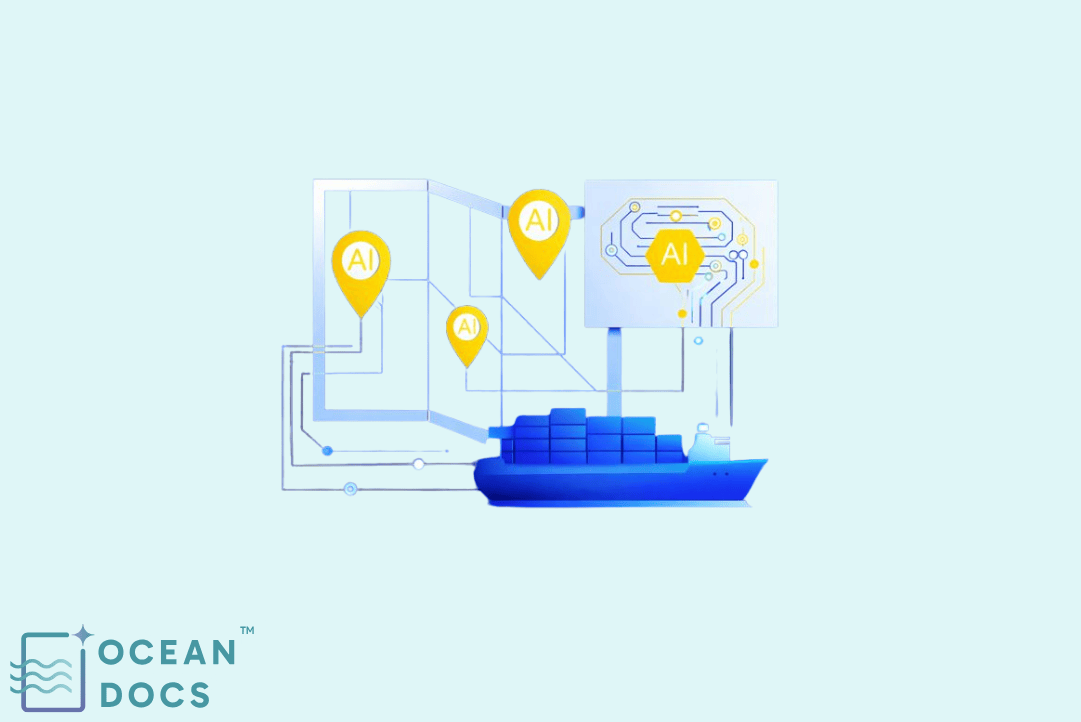
How AI Monitors Regional Rule Changes for Vessels in Transit
December 18, 2025 By OceanDocs AI
Shipping operations face this challenge every day. A vessel may pass through multiple jurisdictions, port authorities, and inspection regimes in one journey. Each region applies its own maritime regulations, inspection focus, and compliance expectations. Keeping shipping documents and maritime documentation aligned with these changes is not easy when teams rely on manual tracking.
This is where AI in shipping plays a practical role. AI-powered maritime operations solutions now help ship management teams monitor regional rule changes and link them directly to ship documents and compliance workflows.
The challenge of regional maritime regulations
Maritime regulations are not uniform across regions. Port State Control rules vary by country. Environmental standards differ based on coastal zones. Requirements under MARPOL, SOLAS, and IMO regulations often include regional interpretations.
For example, ballast water management rules change by port authority. Dangerous goods handling under the IMDG Code may require specific declarations in certain regions. Tanker ship management teams also face additional checks during SIRE inspection and SIRE vetting.
When these updates happen, crews and fleet management teams must adjust shipping documentation quickly. Missing a change can affect vessel safety, audit readiness, and ship surveys.
Why manual tracking no longer works
Manual monitoring of maritime regulations depends on emails, circulars, and notices from multiple sources. Crews often struggle to match these updates with the right ship documents. This creates gaps in maritime compliance and increases inspection risk.
Fire Control Plan updates may apply only in certain ports. ISPS Code checks can intensify in high-risk regions. Navigation safety rules under COLREGs may require temporary operational changes.
Without smart documentation systems, these updates stay scattered across inboxes and folders. This makes technical ship management and marine operations harder to control.
How AI monitors rule changes in real time
AI document intelligence systems continuously track regulatory updates from trusted sources. These include IMO publications, port authority notices, and maritime compliance software feeds.
The system scans for changes related to shipping compliance, maritime environmental compliance, and vessel safety. It then maps these changes to affected ship documents and operational procedures.
For example, when a port updates pollution prevention rules, the AI flags relevant shipping documentation and environmental logs. If Port State Control guidelines change, the system alerts fleet ship management teams before arrival.
Linking rule changes to ship documents
The real value of maritime AI lies in context. AI does not just track updates. It understands which ship documents matter for each region.
ISM Code requirements link to safety management system files. STCW updates connect to ship crew management records. LSA Code changes affect emergency equipment documentation.
AI-powered smart documentation tools tag these documents automatically. This reduces manual effort and improves audit readiness during inspections and ship surveys.
Supporting fleet and ship management teams
Fleet management solutions use AI to give a regional compliance view across all vessels. Ship management software dashboards show which ships face new requirements based on route and destination.
For fleet management teams, this means fewer last-minute surprises. Technical ship management teams can prepare documentation before arrival. Marine surveying teams can review compliance status remotely.
This approach also supports ship management and tanker ship management operations where inspection pressure is higher.
Improving inspection and audit readiness
Inspections such as SIRE inspection, Port State Control checks, and flag audits focus on document accuracy and completeness. AI helps maintain this accuracy by tracking what changed and when.
AI document intelligence tools maintain a history of updates and acknowledgments. Inspectors can see proof of compliance actions. This strengthens maritime compliance and reduces inspection delays.
For vessels operating under strict maritime environmental compliance zones, AI also tracks ballast water management updates and pollution prevention measures.
Reducing crew workload onboard
Crew members already manage navigation safety, vessel safety, and daily operations. Asking them to track regulatory changes adds unnecessary burden.
AI in maritime reduces this load by pushing relevant alerts only when needed. Crews receive clear instructions linked to ship documents. This supports HSEQ goals and safer marine operations.
With fewer manual checks, crews can focus on safe navigation and operational tasks.
The role of marine technology in future compliance
Marine technology continues to evolve. AI-powered maritime operations solutions now act as compliance partners rather than passive tools.
As maritime regulations grow more complex, AI helps ship management teams adapt faster. It brings consistency across fleet ship management and improves coordination between shore and vessel teams.
This shift also supports long-term digital transformation in shipping documentation and maritime documentation systems.
Conclusion
AI has become essential for monitoring regional rule changes during vessel transit. It connects maritime regulations with shipping documents, improves audit readiness, and supports vessel safety across regions. By using AI document intelligence and maritime compliance software, ship operators can manage change with confidence. OceanDocs AI helps shipping companies turn regulatory complexity into a structured and manageable process.
FAQs
How does AI know which regional rules apply to a vessel?
AI uses voyage data, port calls, and route information to match regional maritime regulations with each vessel.
Can AI support SIRE and Port State Control inspections?
Yes. AI improves inspection readiness by keeping shipping documentation aligned with current rules.
Does AI replace crew compliance checks?
No. AI supports crews by reducing manual tracking and highlighting required actions clearly.