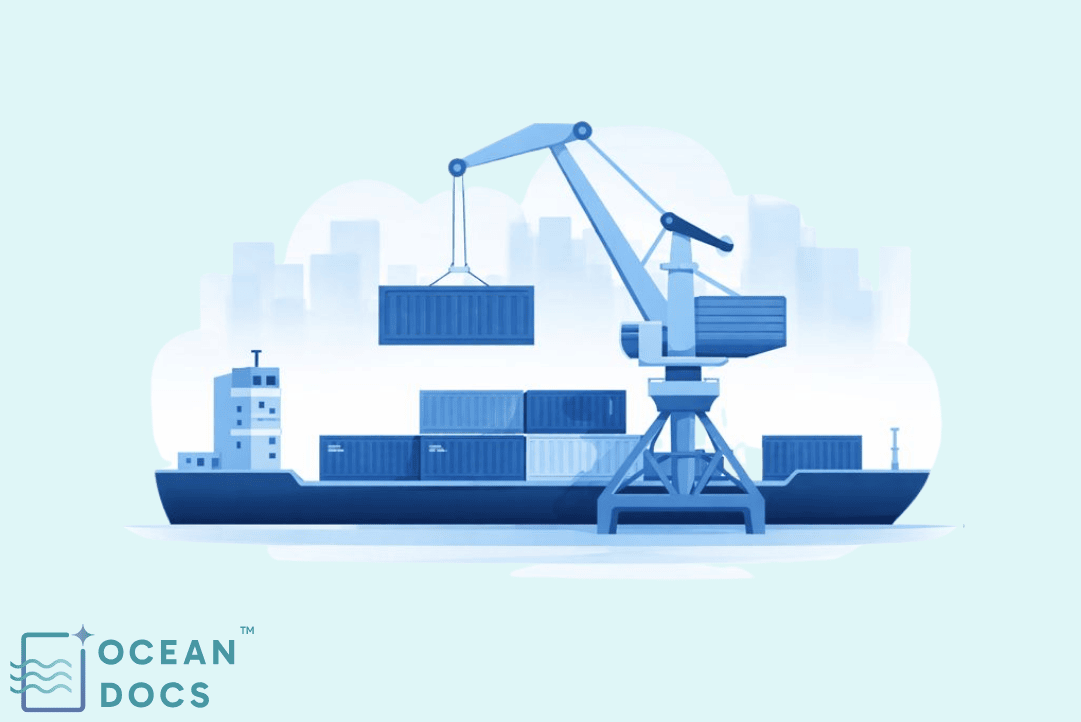
Ports are the busiest and most regulated points in maritime operations. Every vessel movement, cargo transfer, inspection, and clearance depends on accurate information and timely decisions. Yet many ports still rely on fragmented systems, manual coordination, and static shipping documents. This creates delays, compliance risk, and operational blind spots.
Port operations intelligence brings a smarter way to manage this complexity. By applying artificial intelligence to maritime documentation and operational data, ports can improve visibility, speed, and decision-making across daily activities.
What Port Operations Intelligence Means
Port operations intelligence refers to the use of AI technology to understand, connect, and prioritize information related to port activities. It combines AI document intelligence, maritime data, and operational context to support faster and more accurate decisions.
Instead of treating shipping documentation as static files, AI turns them into active knowledge. This includes ship documents, inspection records, safety manuals, and compliance reports. The result is a clearer view of what is happening at the port and what actions are required next.
Why Ports Struggle With Information Overload
Ports handle a wide range of maritime documentation every day. These include shipping documents, port authority guidelines, inspection checklists, and safety procedures. Each vessel brings its own set of ship documents tied to maritime regulations such as SOLAS, MARPOL, IMO regulations, ISM Code, and STCW.
Most ports store this information across disconnected systems. When Port State Control officers, safety teams, or operators need answers, they must search multiple sources. This slows down decisions and increases the risk of missing critical compliance details.
AI in maritime addresses this challenge by organizing information around operational needs rather than file locations.
The Role of AI in Port Operations
Artificial intelligence plays a central role in modern port operations intelligence. AI systems can read, classify, and connect maritime documentation at scale. They understand context instead of relying only on keywords.
For example, when a port officer searches for vessel safety requirements, AI can surface relevant Fire Control Plan sections, ISPS Code procedures, and inspection history together. This saves time and supports better judgement.
AI-powered maritime operations solutions also help ports predict bottlenecks and prepare for inspections with greater accuracy.
Improving Shipping Compliance at Ports
Shipping compliance is one of the most critical responsibilities at any port. Ports must ensure vessels meet international and local maritime regulations before allowing operations.
AI-powered maritime compliance software helps ports track compliance status across vessels. It connects ship documents with inspection requirements and highlights gaps early. During Port State Control, inspectors can quickly access relevant shipping documentation without delays.
This structured approach improves audit readiness and reduces inspection risk for both ports and vessels.
Supporting Faster Vessel Turnaround
Delays at ports cost time and money. Many delays occur due to missing documents, unclear procedures, or slow approvals.
Port operations intelligence helps reduce these delays by making information accessible in real time. AI ranks critical documents based on operational context. When a vessel arrives, port teams can instantly access required ship documents, compliance records, and safety procedures.
This supports smoother coordination between port authorities, ship management teams, and fleet management systems.
Enhancing Safety and Environmental Compliance
Safety and environmental protection are core priorities in port operations. Ports must enforce rules related to vessel safety, pollution prevention, and maritime environmental compliance.
AI in shipping helps ports monitor compliance with MARPOL, Ballast Water Management, and pollution prevention measures. By analyzing documentation and inspection data, AI highlights risks before incidents occur.
This proactive approach strengthens safety culture and reduces environmental impact during marine operations.
Connecting Port Operations With Fleet and Ship Management
Ports do not operate in isolation. They interact constantly with fleet management solutions, ship management software, and ship crew management teams.
Port operations intelligence creates a shared view of information across these stakeholders. AI-powered systems ensure everyone works from the same set of facts. This improves coordination during inspections, cargo operations, and emergency response.
By aligning port data with fleet ship management and technical ship management workflows, ports gain better operational continuity.
Role-Based Intelligence for Port Teams
Different teams within a port require different information. Operations teams focus on vessel movements and schedules. Safety teams look for compliance records and emergency procedures. Inspection teams need quick access to shipping compliance documents.
AI systems support role-based access and search. Each team sees information relevant to its responsibilities. This reduces noise and improves decision speed.
Role-based intelligence is especially valuable during high-pressure situations such as inspections or incidents.
Audit Readiness and Inspection Support
Ports face regular audits and inspections. Preparing for these events often involves manual document checks and coordination across departments.
Port operations intelligence simplifies this process. AI continuously monitors documentation status and flags missing or outdated records. When inspectors arrive, port teams can respond with confidence.
This improves outcomes during Port State Control, SIRE inspection support, and other regulatory reviews.
Scaling Intelligence Across Growing Ports
As ports expand, managing operations becomes more complex. Manual systems do not scale well. AI-powered intelligence scales easily across terminals, vessels, and operational units.
Ports can standardize processes while still adapting to local requirements. This balance is critical for modern maritime operations.
By investing in port operations intelligence, ports prepare for future growth without adding operational burden.
Preparing Ports for the Future of Maritime AI
The future of maritime operations depends on intelligent systems that support human decision-making. Ports that adopt AI early gain a competitive advantage.
AI applications in port operations continue to evolve. These include predictive analytics, smarter inspections, and automated compliance monitoring. Together, they create safer and more efficient ports.
Port operations intelligence is not about replacing people. It is about giving teams better tools to do their jobs well.
Conclusion
Port operations intelligence transforms how ports manage information, compliance, and decision-making. By applying artificial intelligence to maritime documentation and operational workflows, ports gain clarity, speed, and control. This leads to safer operations, faster vessel turnaround, and stronger compliance outcomes. OceanDocs AI supports port operations intelligence by turning complex shipping documents into actionable knowledge for ports, vessels, and regulators.
FAQs
What is port operations intelligence used for?
It helps ports improve compliance, safety, and decision-making using AI-powered insights.
Does port operations intelligence replace existing systems?
No. It works alongside current port and ship management systems.
Can it support inspections and audits?
Yes. It improves audit readiness and speeds up inspection responses.
Is AI in port operations secure?
Yes. Modern maritime AI systems follow strict security and access controls.