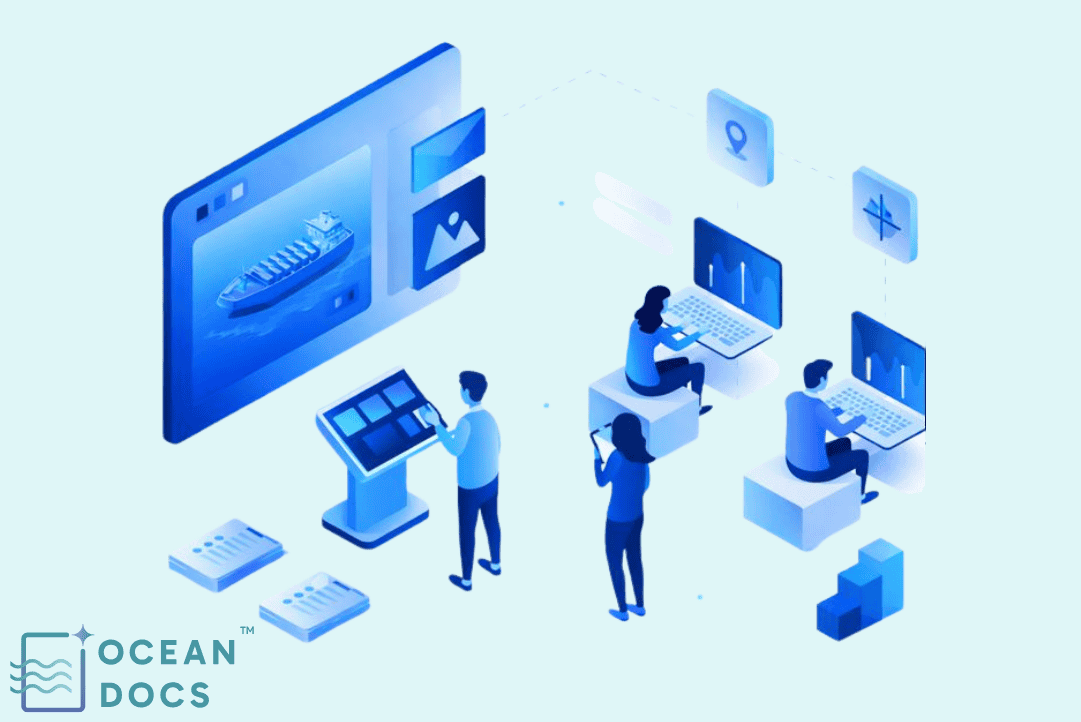
Unified Maritime Documentation Across Ship Management Systems
December 23, 2025 By OceanDocs AI
Why do shipping teams still struggle to find the right document at the right time? In many fleets, ship management systems work in silos. Technical ship management uses one system. Crew management uses another. Compliance teams rely on shared folders. This fragmentation makes maritime documentation harder than it needs to be.
Unified maritime documentation brings all shipping documents together across ship management systems. With AI in maritime workflows, this approach improves visibility, audit readiness, and daily marine operations.
The documentation challenge in ship management
Every vessel generates a large volume of ship documents. These include certificates, manuals, log records, safety plans, and inspection reports. Maritime regulations such as SOLAS, MARPOL, and IMO regulations require these records to stay accurate and accessible.
In practice, documents often sit across multiple ship management software tools. Fleet management teams store compliance files separately from crew records. Technical ship management teams maintain their own document sets. During Port State Control inspections or ship surveys, crews must search across systems. This increases risk and delays responses.
What unified maritime documentation means
Unified maritime documentation means one connected layer that brings shipping documentation together across systems. It does not replace existing ship management software. Instead, it connects them using AI document intelligence.
This unified layer understands document content. It knows which ship documents relate to ISM Code requirements, vessel safety, or maritime environmental compliance. AI-powered automation links records across systems and keeps them updated.
Role of AI in maritime documentation
AI in shipping plays a central role in unification. AI document intelligence reads and classifies maritime documentation automatically. It applies smart documentation tags based on content, not file names.
For example, AI in maritime systems can identify documents related to:
-
ISM compliance and ISM maritime procedures
-
Fire Control Plan records
-
ISPS Code security documents
-
IMDG Code cargo handling files
-
LSA Code safety equipment certificates
-
Ballast Water Management records
This allows ship management systems to access the same trusted source of documentation.
How unification supports shipping compliance
Shipping compliance depends on consistency. Unified systems reduce duplication and errors across ship management platforms.
When a certificate expires, the update reflects across fleet management, ship crew management, and technical ship management views. AI-powered maritime operations solutions alert teams before compliance gaps appear. This supports audit readiness and reduces last-minute document collection.
During Port State Control inspections, crews can retrieve linked documents quickly. Inspectors see a clear structure instead of scattered files. This improves inspection outcomes and reduces operational stress.
Impact on audits and surveys
Ship surveys, marine surveying activities, and SIRE vetting rely on accurate documentation. Unified maritime documentation simplifies these processes.
AI-powered automation connects inspection records with supporting ship documents. For SIRE inspection preparation, systems highlight missing or inconsistent records in advance. This allows ship management teams to act early.
Audit readiness improves because document trails remain complete and traceable. Every record links back to relevant maritime regulations and compliance requirements.
Benefits for vessel safety and operations
Vessel safety depends on timely access to procedures and records. Unified documentation ensures that crews always work with the latest approved documents.
Navigation safety improves when COLREGs guidance and operational procedures stay linked to voyage records. Emergency response improves when Fire Control Plan documents and drills remain easy to access.
For tanker ship management, unified systems help align ISGOTT procedures, safety checklists, and operational logs. This reduces operational risk and improves onboard confidence.
Fleet-level visibility and control
Fleet ship management teams need visibility across vessels. Unified maritime documentation provides this view without manual consolidation.
Fleet management solutions powered by AI in shipping analyze document trends across vessels. They identify repeated compliance gaps or operational issues. This supports better planning and targeted improvements.
AI in maritime analytics also helps standardize documentation practices across fleets. This reduces variation and supports consistent compliance across regions and vessel types.
Supporting environmental compliance
Maritime environmental compliance requires accurate reporting and documentation. Unified systems support pollution prevention and environmental audits.
AI document intelligence ensures that MARPOL records, ballast water management files, and emissions data stay connected. This reduces the risk of non-compliance during inspections by Port Authorities.
Over time, AI-driven analytics help operators understand environmental performance trends and improve sustainability practices.
Why unification is now essential
As maritime regulations grow more complex, fragmented documentation becomes a liability. Manual processes do not scale across modern fleets.
Unified maritime documentation across ship management systems provides a practical solution. It connects existing tools, improves compliance, and supports safer marine operations without increasing crew workload.
Conclusion
Unified maritime documentation transforms how ship management systems work together. AI in maritime workflows connects shipping documents, maritime documentation, and compliance records into one intelligent layer. This improves audit readiness, vessel safety, and fleet management efficiency. Platforms like OceanDocs AI make this possible by applying AI-powered document intelligence tailored for real-world maritime operations.
FAQs
Does unified documentation replace existing ship management software?
No. It connects systems and improves how they share maritime documentation.
Can this help with Port State Control inspections?
Yes. Unified access to shipping documentation improves response time and inspection confidence.
Is this suitable for mixed fleets?
Yes. Unified systems support different vessel types and operational models using the same document intelligence layer.