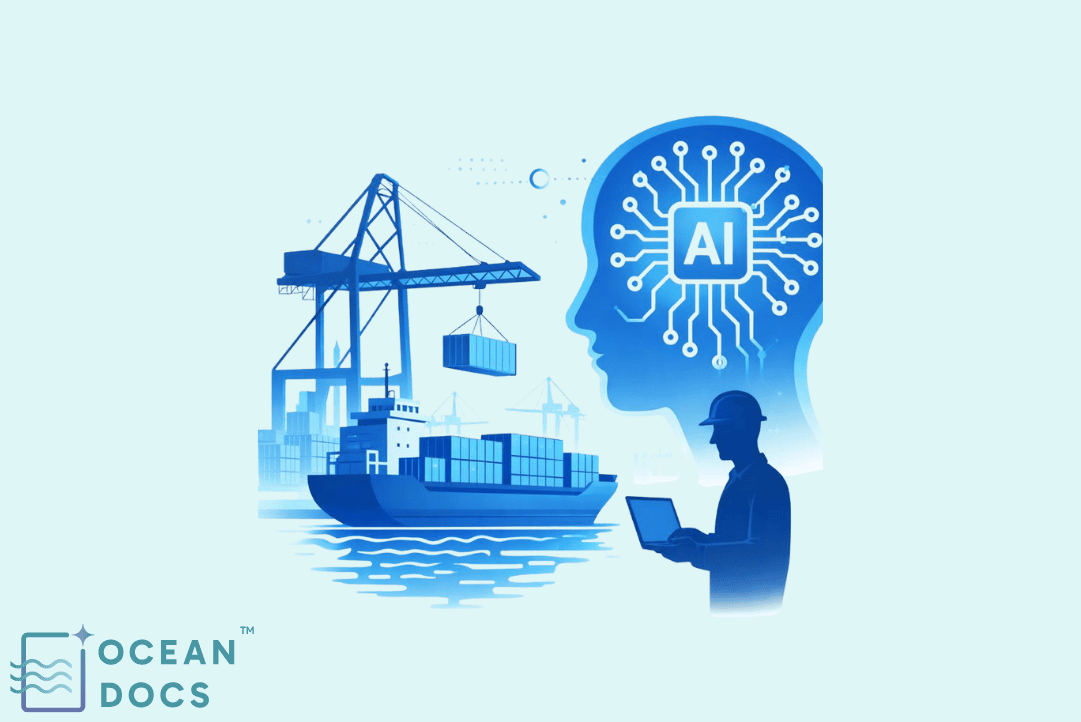
Why Crews Miss Critical Information Under Pressure
January 12, 2026 By OceanDocs AI
Have you ever noticed that mistakes at sea rarely happen because crews do not care, but because they do not see the right information at the right time?
In marine operations, pressure is constant. Crews handle navigation safety, vessel safety, audits, inspections, and daily operations at the same time. Shipping documents and maritime documentation exist, but they often sit scattered across folders, systems, and formats. When pressure rises, finding the correct document becomes harder than it should be.
This is where gaps begin to form.
Pressure changes how information gets used
Under normal conditions, crews can search ship documents, review procedures, and confirm details. Under pressure, they rely on memory and assumptions.
Shipping documentation is often treated as static records instead of live operational inputs. A Fire Control Plan might be available but not immediately visible. A compliance checklist might exist but not surface during a real incident. Maritime documentation that should guide action stays hidden.
This is not a training problem. It is an information access problem.
Why critical details stay hidden in plain sight
Most vessels carry complete ship documents. The issue is not absence. The issue is visibility.
Documents live across emails, PDFs, shared drives, and onboard systems. Crews must remember where things are stored and how to retrieve them. During inspections, audits, or emergencies, this approach breaks down.
When information stays locked inside files, maritime compliance becomes reactive. Crews respond after issues surface instead of preventing them early.
The limits of manual document handling
Manual processes depend on time and attention. Both disappear under pressure.
Crew members juggle reporting, operations, safety checks, and communication with Port Authorities. Searching through folders for shipping documents competes with real operational tasks. Important updates get missed.
This is why audit readiness often feels stressful. The information exists, but retrieving it quickly becomes the challenge.
How AI changes information access onboard
AI in maritime shifts the focus from storage to access.
Instead of crews searching documents, systems surface relevant information based on context. AI document intelligence reads shipping documentation and understands what each file contains. It links procedures, safety plans, and compliance records automatically.
During operations, maritime AI can highlight the right document, section, or checklist when it matters most.
Reducing cognitive load during high-pressure moments
Pressure reduces attention. AI-powered maritime operations solutions reduce the mental effort required to find information.
When systems identify what is relevant, crews spend less time searching and more time acting. This supports safer marine operations without adding complexity.
AI in shipping works best when it supports decisions instead of replacing them.
Turning documents into operational guidance
Traditional shipping documents describe what to do. AI makes that guidance accessible.
AI document intelligence connects procedures to real situations. If an inspection is due, the system highlights the required documentation. If an incident occurs, it surfaces relevant safety information automatically.
This shift turns maritime documentation into a decision support layer instead of a static archive.
Improving compliance without adding workload
Maritime compliance depends on consistency. Manual tracking often fails under workload pressure.
Maritime AI supports compliance by monitoring documentation status, updates, and usage patterns. It flags gaps before they grow into findings during inspections.
This approach supports compliance as part of daily operations, not as a separate task.
Supporting crews, not overwhelming them
Technology should reduce stress, not add more screens.
AI in maritime works best when it fits into existing workflows. Crews should not need to learn complex systems. The system should work quietly in the background, bringing information forward when needed.
This improves trust and adoption across ship management and fleet management teams.
Why this matters for safety and efficiency
Missed information leads to delays, compliance risks, and safety issues. Over time, these small gaps affect vessel safety and operational efficiency.
By improving how information surfaces under pressure, maritime AI supports safer decisions and smoother operations. Crews gain confidence that the right information will be available when it matters.
Conclusion
Crews do not miss critical information because they lack experience. They miss it because pressure hides details inside complex documentation systems.
AI document intelligence and AI-powered maritime operations solutions change this dynamic by making information visible, timely, and actionable. With the right approach, maritime documentation becomes a strength instead of a risk.
OceanDocs AI helps shipping teams apply maritime AI in a practical way, turning documents into real operational support without adding complexity.
FAQs
Why do crews miss information even when documents exist?
Because pressure limits time and attention. Information stays hidden inside files instead of surfacing when needed.
How does AI help with maritime documentation?
AI document intelligence understands document content and brings relevant information forward based on context.
Does AI replace crew judgment?
No. AI in maritime supports decisions by improving access to information, not replacing human expertise.
Is AI useful during inspections and audits?
Yes. Maritime AI improves audit readiness by ensuring required documents surface quickly and accurately.